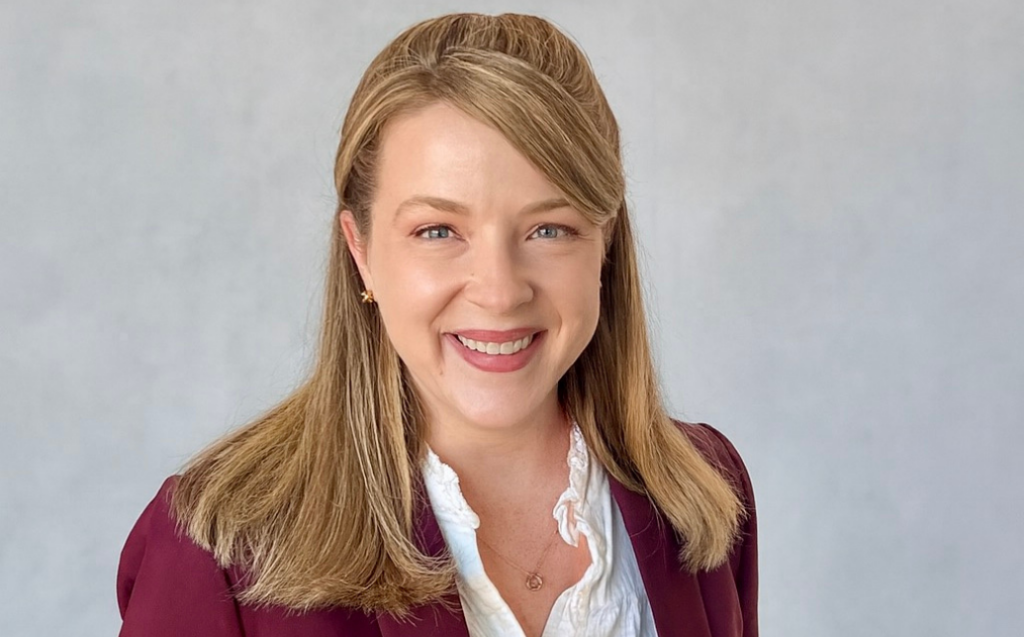
Elizabeth Ray Turns Real-World Experience into Classroom Impact
Current Role: Assistant Professor, School of Communication, Florida State University
FPRA Member Since: 2015
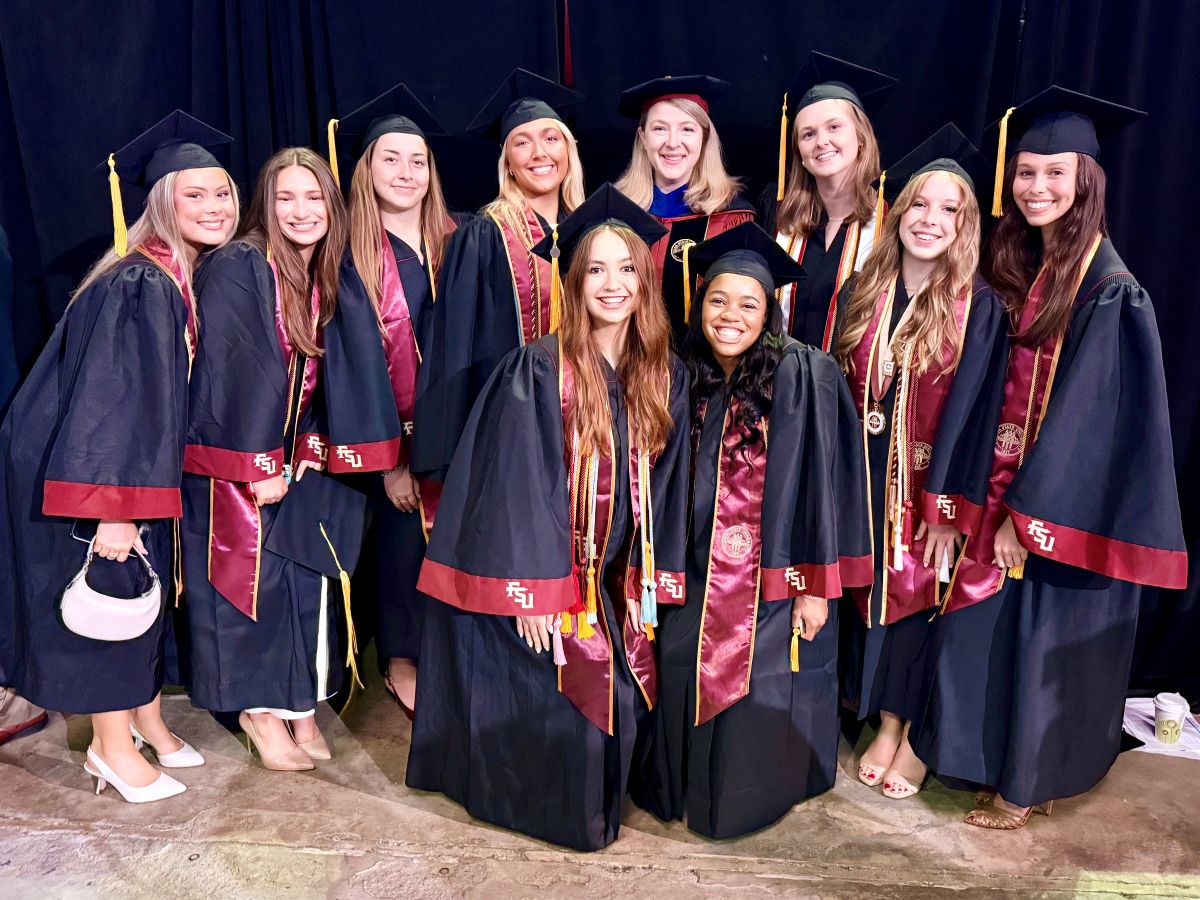
Originally from Tennessee, Elizabeth moved often as a child before settling in Florida and making Tallahassee home in 2013. Before entering academia, she built her career in both journalism and strategic communications, serving as communications and marketing director for a statewide hospitality trade association and working as a television news reporter in Florida. Today, she is an Assistant Professor at Florida State University, where she studies crisis, risk, resilience, and strategic communication—how people and organizations communicate when it matters most—and helps prepare the next generation of communication professionals while staying closely connected to both her students and the profession.
We asked Elizabeth how she stays inspired and engaged in the ever-evolving communications and marketing field.
Why FPRA?
“I was introduced to FPRA by a mentor, Christina Johnson, who generously shared her time and perspective. She made a lasting impression on me and showed me the value of being part of a strong professional community. I stayed because of the people and the sense of connection. FPRA has kept me close to the profession, first in practice and now in academia, and helps me bring real-world perspective into the classroom.”
What advice would you give to someone starting in communications?
“Stay curious. I have worked as a reporter, a public relations professional, and now in academia, and in every role I have found that asking questions matters. Ask questions often and learn from the people around you. Do not assume things are fixed or final. This field is always changing, and that is what makes it interesting. Every day brings something new to learn, something to try, and something to rethink.”
What inspires you most about your work?
“My three little boys inspire me every day. Watching them grow, learn, and see the world in new ways keeps me grounded and reminds me what really matters. I see that same kind of energy in my students. I love the moments when things really click, whether it is a class discussion, a project, or a conversation after class. Seeing them connect ideas to the real world and start to find their voice is incredibly rewarding. I also find inspiration in the work itself. Communication shapes how people understand risk, respond to challenges, and support one another, especially in difficult moments. Being part of that keeps me motivated.”
Fun Facts
- Favorite way to unwind: A perfect night in the backyard with her husband on the grill, the kids playing nearby, and s’mores all around while they share whatever stories are on their minds.
- Go-to resources: Five or six daily news podcasts (starting with Up First from NPR), the New York Times app (including the daily crossword), Florida Politics, Sayfie Review, the Tampa Bay Times, the Miami Herald, and the FSU School of Communication podcast.
- Guilty pleasures: The Backstreet Boys (she once ran a fan ‘zine as a kid) and reality TV—Love Is Blind included.
More About Elizabeth
Elizabeth’s first official job was in radio, working as an anchor and producer on the early morning shift at AM850 WRUF. She admits she initially took it for the coveted UF parking pass, but it quickly became one of the most formative experiences of her career. Coming in before sunrise to write and read the news for the morning drive—often in a quiet newsroom with just one or two others—taught her to trust her instincts, work closely with others, and step up when it counted.
She still carries a lesson from her news director and mentor, Tom Krynski, who would say, “always be ready to interview the mayor.” In other words, show up prepared and carry yourself like it matters, because you never know what the day might bring. Those experiences continue to shape her approach in the classroom, where she has taught strategic communication courses for nearly a decade and brings real-world perspective into every conversation about communication and strategy. Her work as both a teacher and researcher has been recognized with university and national awards, and she previously served as faculty advisor for the FPRA student chapter.
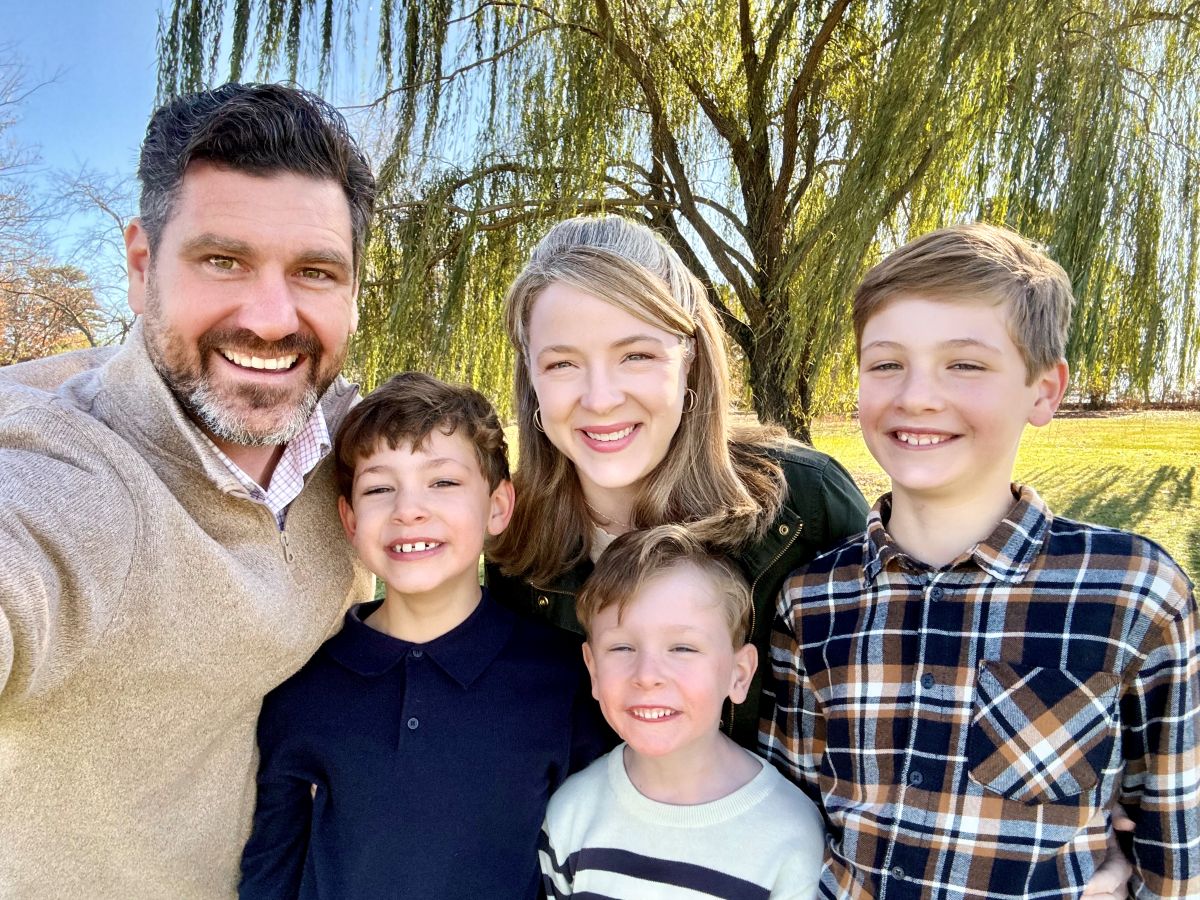
When she is not teaching, Elizabeth is at home in Tallahassee, where she and her husband are raising their three sons—Elijah, Isaiah, and Caleb. Above all, Elizabeth values connection—with students, colleagues, and the broader community—and sees relationships, not just strategy or messaging, as the heart of what makes this work meaningful.